About Kibale National Park
Overview
Spanning 795 square kilometers, Kibale National Park is home to the densest and most diverse primate population in all of Africa. This ancient, lush tropical rainforest provides a vital ecological link between the mountains of the Rwenzori and the golden savannahs of Queen Elizabeth National Park.
Things to Do
The Primate Experience
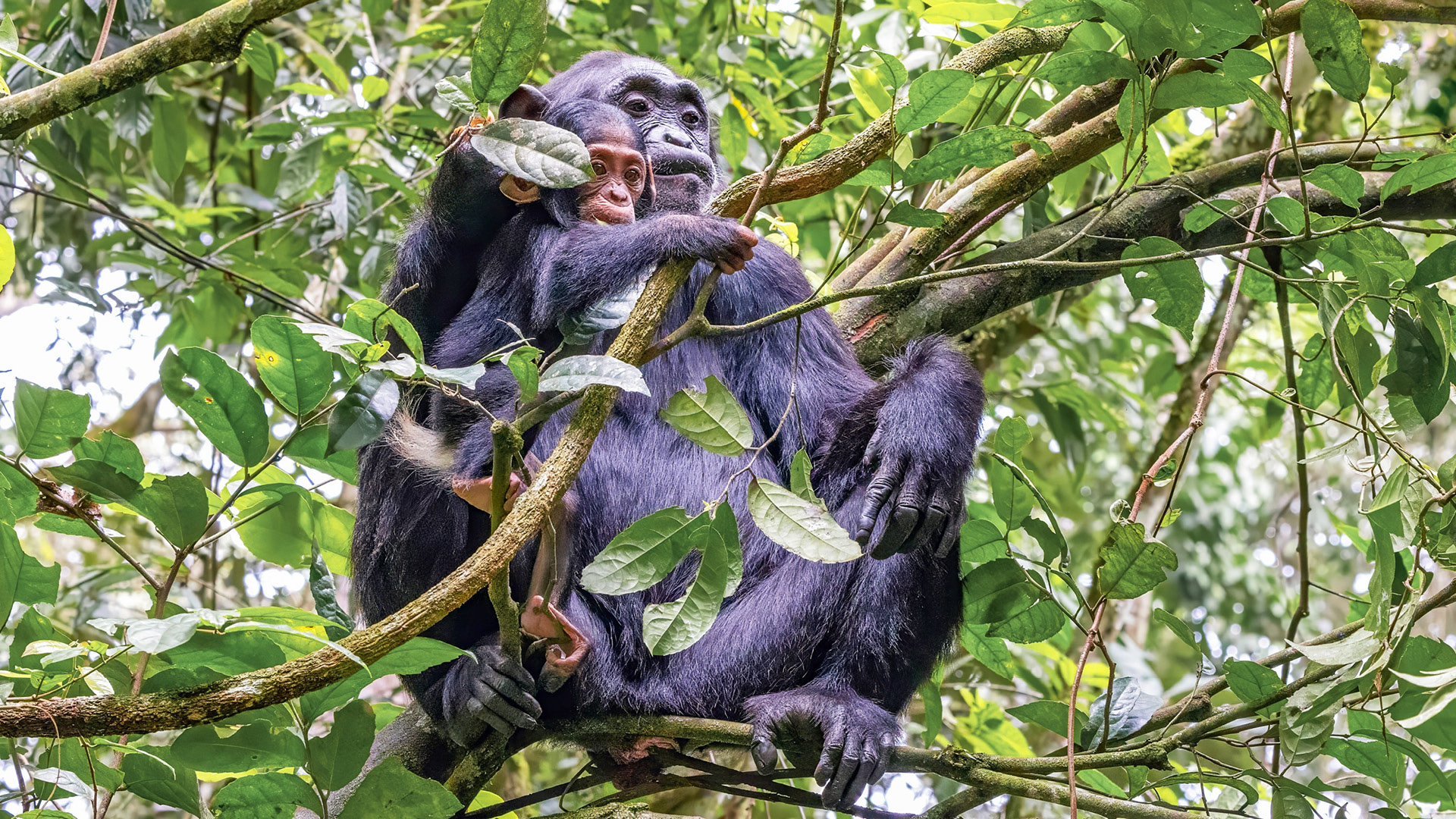
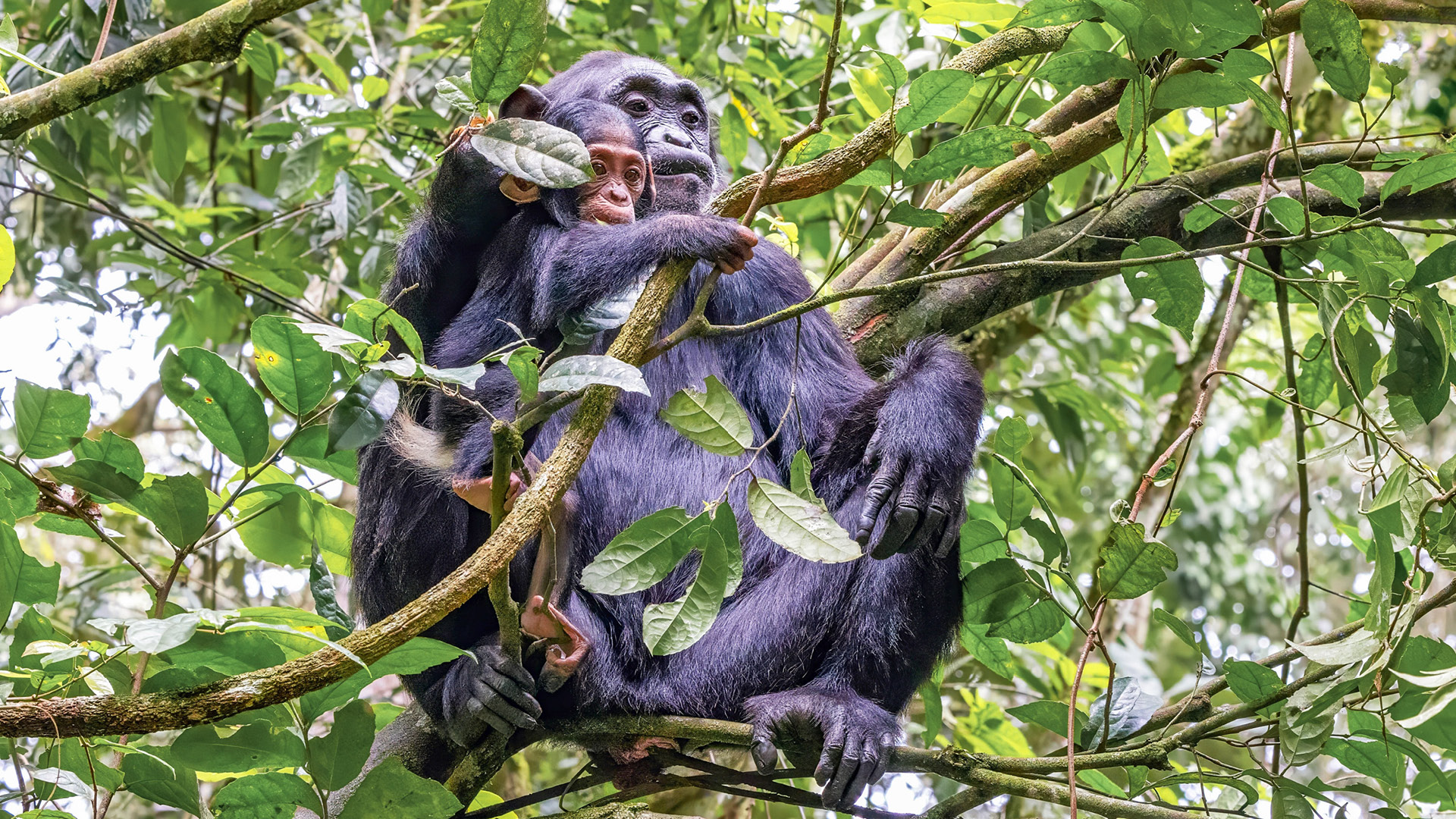
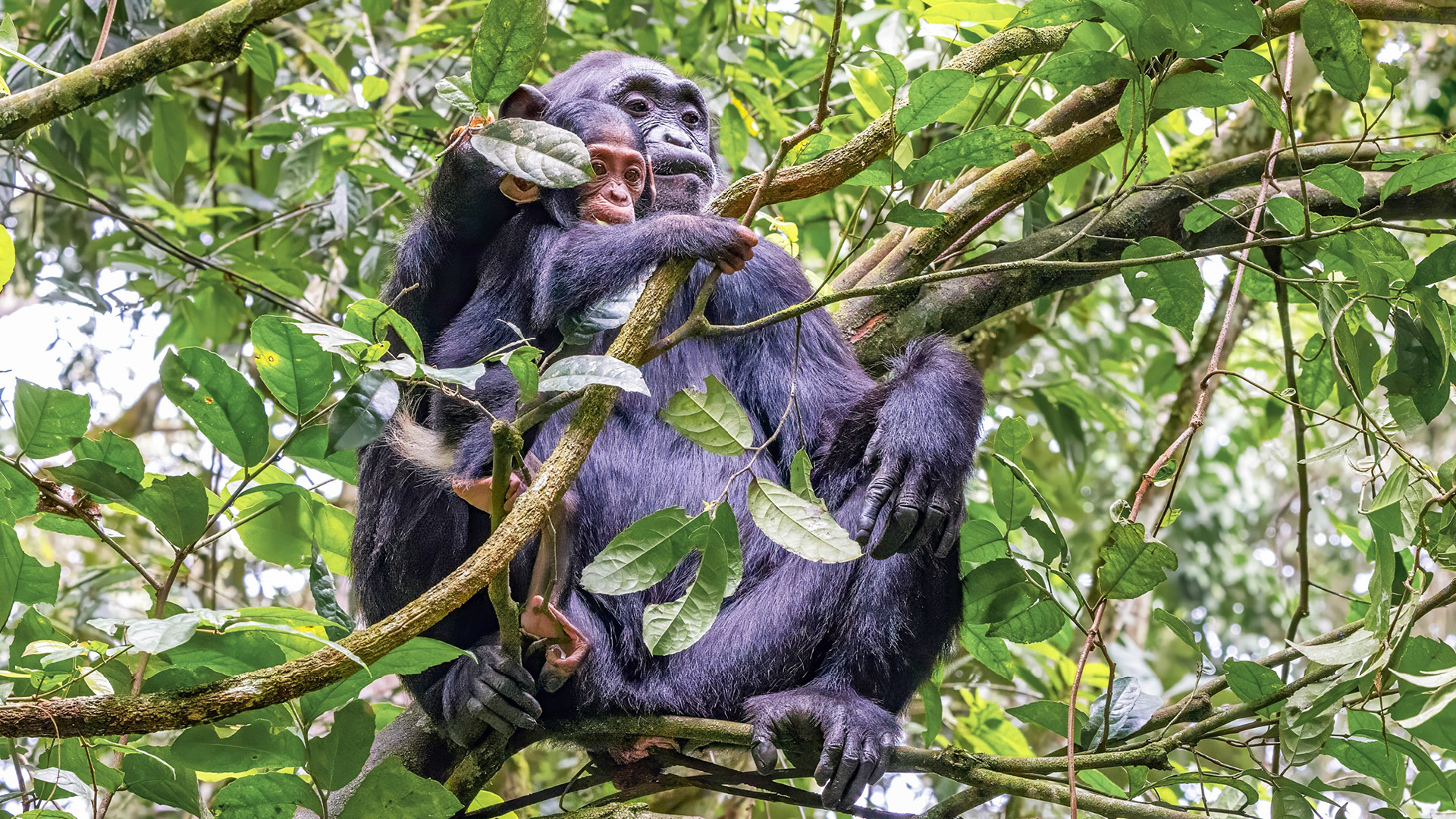
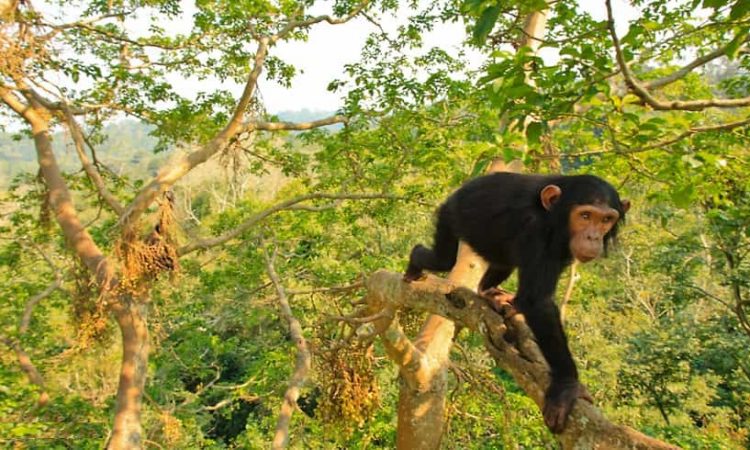
Chimpanzee trekking in Kibale Forest National Park is the park’s signature experience and one of the most thrilling wildlife encounters in Africa. Guided by professional Uganda Wildlife Authority rangers, visitors hike through the dense tropical rainforest in search of habituated chimpanzee families. The trek can last between 2 to 5 hours depending on where the chimpanzees are located, and once found, guests are allowed one unforgettable hour observing them at close range. You will witness chimps feeding on fruits, grooming each other, playing in the treetops, and communicating through loud calls that echo across the forest. Along the way, you may also encounter other primates, colorful birds, and unique forest vegetation, making the entire journey immersive and educational..
Birding
Kibale Forest National Park is a paradise for bird lovers, hosting over 375 bird species within its rich forest habitat. Guided birding excursions take visitors through different forest trails and edges where they can spot species such as the African grey parrot, the rare green-breasted pitta, the great blue turaco, and crowned eagles soaring above the canopy. Early morning walks offer the best sightings as the forest comes alive with bird calls and activity. Whether you are an experienced birder or simply enjoy nature photography, bird watching in Kibale provides a peaceful and rewarding experience surrounded by pristine rainforest scenery.
Bigodi Wetland Sanctuary Visit
A visit to the nearby Bigodi Wetland Sanctuary adds a unique community-based ecotourism experience to your Kibale safari. This guided swamp walk takes visitors through a rich wetland ecosystem known for its impressive birdlife, primates, and diverse plant species. Guests may encounter monkeys such as the red colobus and L’Hoest’s monkey while learning about local medicinal plants and traditional uses of forest resources. The sanctuary is managed by the local community, meaning your visit directly supports conservation efforts and local development projects, making it both a scenic and socially impactful experience.
The Crown Jewel: The rare and elusive Green-breasted Pitta.
Forest Specials: The Great Blue Turaco, African Grey Parrot, Black Bee-eater, and the Nahan’s Partridge.
Albertine Rift Endemics: Look for the Blue-headed Sunbird and the Dusky Crimsonwing.
Forest Specials: The Great Blue Turaco, African Grey Parrot, Black Bee-eater, and the Nahan’s Partridge.
Albertine Rift Endemics: Look for the Blue-headed Sunbird and the Dusky Crimsonwing.
Chimpanzee Habituation Experience
The Chimpanzee Habituation Experience in Kibale offers a deeper and more extended encounter with wild chimpanzees compared to standard trekking. This half-day activity allows visitors to spend up to four hours with a chimpanzee group that is still undergoing the process of getting accustomed to human presence. Accompanied by researchers and trackers, guests begin early in the morning as the chimps leave their nests and follow them throughout their daily routines, learning about their behaviors, feeding patterns, social structure, and conservation efforts. This experience provides a raw, authentic insight into chimpanzee life in the wild and is ideal for wildlife enthusiasts, photographers, and travelers who want a more intimate and educational primate adventure.
primate & Forest Nature Walk
Beyond chimpanzees, Kibale Forest is home to 13 different primate species, making a guided primate and forest nature walk an exciting alternative activity. During this walk, visitors explore the lush rainforest while spotting species such as red colobus monkeys, black-and-white colobus monkeys, L’Hoest’s monkeys, grey-cheeked mangabeys, and blue monkeys. The walk is not only about wildlife; experienced guides also explain the forest’s ecosystem, medicinal plants, ancient tree species, butterflies, and insects that make this biodiversity hotspot so unique. It is a relaxed yet enriching experience perfect for nature lovers who wish to appreciate the beauty and ecological importance of the rainforest.
Cultural Encounters with the Batooro Community
Exploring the culture of the Batooro people around Kibale adds meaningful depth to your safari experience. Cultural visits allow guests to interact with local families, enjoy traditional music and dance performances, learn about banana brewing (a local specialty), and hear stories about the history and traditions of the region. Visitors gain insight into rural Ugandan life, traditional farming methods, and community values. This cultural exchange not only enriches the safari but also creates authentic connections between travelers and the local people who live alongside the forest.
Crater Lake Exploration
The crater lakes surrounding Kibale Forest offer breathtaking scenery and peaceful relaxation after forest adventures. Formed by ancient volcanic activity, these lakes are surrounded by rolling hills, tea plantations, and lush greenery that create stunning panoramic views. Visitors can hike to scenic viewpoints, take guided nature walks around the lakes, swim in selected safe areas, or simply relax while enjoying the cool breeze and dramatic landscapes. Crater lake exploration provides a perfect balance to chimp trekking, allowing guests to experience both adventure and tranquility in one destination.
Wildlife & Highlights
Kibale Forest National Park is famously known as the Primate Capital of the World, boasting one of the highest concentrations of primates in Africa. The park is home to over 1,500 chimpanzees, making it one of the best places on the continent for close-up chimpanzee encounters in their natural rainforest habitat. In addition to chimpanzees, visitors can spot 12 other primate species including red colobus monkeys, black-and-white colobus monkeys, L’Hoest’s monkeys, grey-cheeked mangabeys, blue monkeys, olive baboons, and vervet monkeys.
Beyond primates, Kibale also supports forest elephants, bush pigs, duikers, and several small antelope species that thrive in its dense tropical ecosystem. The park is equally impressive for bird lovers, with over 375 recorded bird species such as the African grey parrot, great blue turaco, and the rare green-breasted pitta. Butterflies, reptiles, and diverse plant species further enrich the biodiversity, making Kibale one of Uganda’s most ecologically diverse national parks and a true wildlife haven for nature enthusiasts.
Geography & Landscape
Kibale Forest National Park is located in western Uganda, near the tourism hub of Fort Portal, and covers approximately 795 square kilometers of protected tropical rainforest. The park sits at an altitude ranging between 1,100 and 1,600 meters above sea level, creating a cool and pleasant climate throughout the year. Its landscape is dominated by dense, evergreen rainforest interspersed with grasslands, swampy areas, and riverine forests that support an exceptional level of biodiversity. The park forms part of a continuous forest corridor that connects to Queen Elizabeth National Park, allowing wildlife to move between ecosystems.
The terrain in Kibale is gently undulating with rolling hills, crater lakes, and fertile volcanic soils that contribute to its lush vegetation. Towering mahogany and fig trees rise above the forest canopy, while thick undergrowth and vines create a true jungle atmosphere. Surrounding the park are scenic tea plantations and rural farmlands, offering beautiful panoramic views and photographic opportunities. The nearby crater lakes region, formed by ancient volcanic activity, adds dramatic scenery with sparkling waters surrounded by steep forested slopes. This rich and varied landscape makes Kibale not only a wildlife destination but also one of the most visually stunning rainforest environments in East Africa
Practical Information
Best Time to Visit Kibale Forest National Park
The best time to visit Kibale Forest National Park is during the dry seasons, which run from December to February and June to August. During these months, forest trails are less muddy and easier to hike, making chimpanzee trekking more comfortable and enjoyable. Wildlife viewing is also excellent because primates tend to move more predictably, and photography conditions are better with clearer skies and improved lighting.
However, Kibale can be visited year-round due to its tropical climate. The wet seasons (March–May and September–November) bring heavier rainfall, which can make trekking slightly more challenging, but this period also offers advantages such as fewer tourists, lush green scenery, and better birdwatching opportunities since many migratory bird species are present.
For travelers planning around international holidays (UK, USA, Europe), it is advisable to book permits and accommodation well in advance, especially during peak months like July, August, and December. Regardless of the season, Kibale’s rich biodiversity ensures a rewarding rainforest safari experience at any time of yea
You Might Also Like
Mgahinga Gorilla National Park
Nestled in the far southwestern corner of Uganda, Mgahinga Gorilla National Park is a breathtaking d...
Bwindi Impenetrable National Park
Explore Bwindi Impenetrable Forest in Uganda, home to mountain gorillas. Experience unforgettable go...
Queen Elizabeth National Park
Queen Elizabeth National Park is a diverse wildlife reserve in Uganda known for its tree-climbing li...